
Still a Student
Why I Got Coached, Examined and Lifted This Month

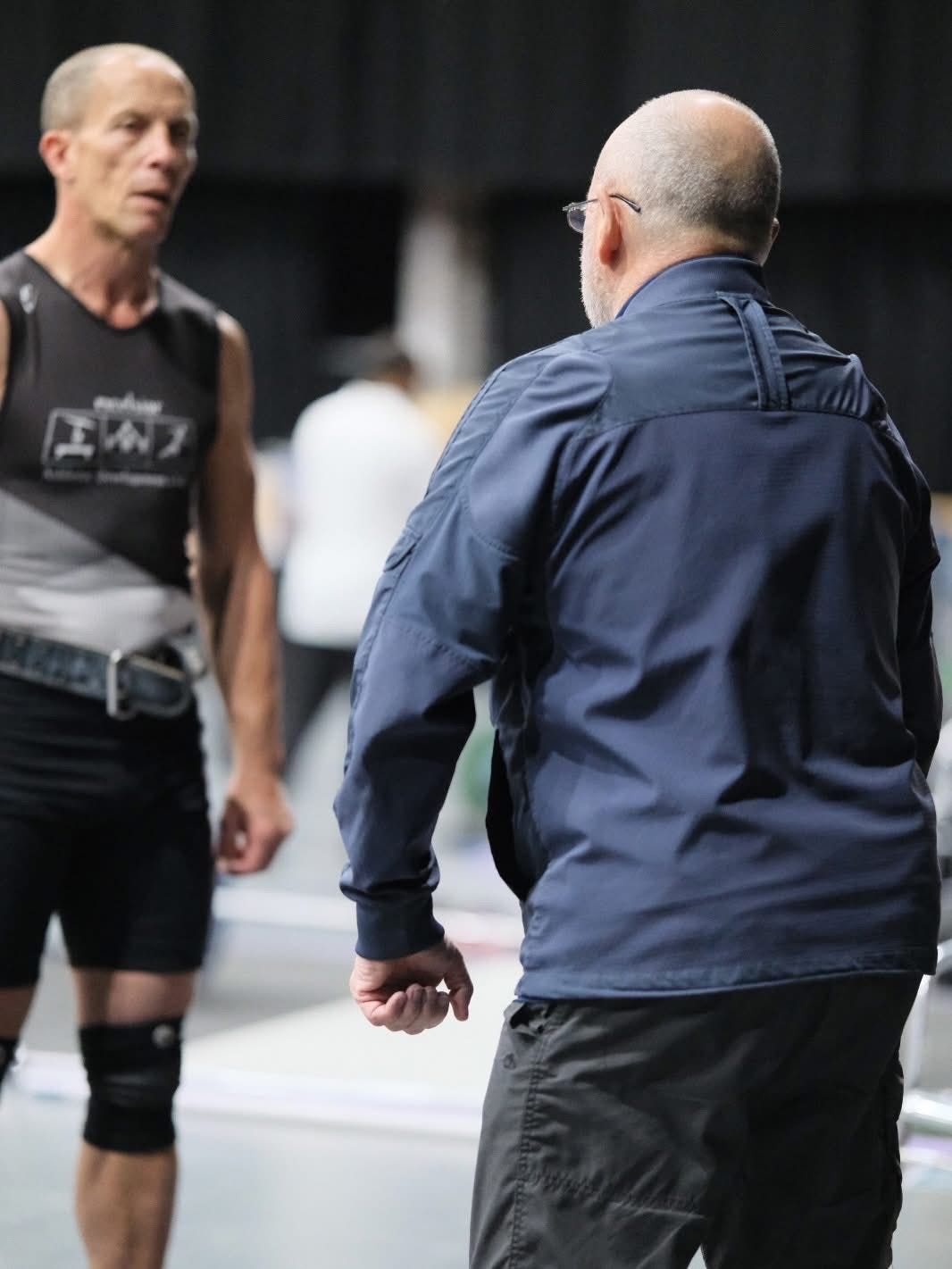
I stood at the side of the weightlifting platform with a dry mouth and leaden legs. Alongside me are my first weightlifting coach, Keith Morgan OBE, and my newest coach, Daisy Marshall. I have 30 years of coaching experience, written five coaching books, coached several British Champions and Olympians and yet I still have a coach.
Coach education isn’t about ‘getting a badge’ and then repeating the same things for twenty years. A coach who stops learning starts coasting on what they already know. The athletes change, the science moves, the rules tighten — and the coach gets older. Continual learning is how you stay useful to the next group of kids walking through the door, not the last one.
Three forms of learning I leaned on this month
1. Being coached
I always think in order to coach, you have to be coached. You get used to receiving feedback (not just giving it), having someone else hold the plan, and the discipline of not arguing with your coach mid-session. It resets your empathy with the athletes you coach. In the picture above, Keith is emphasising the need to pull hard on the snatch. He also gave me tips on my jerk. My lifts got better as the competition went on, much better than in my training build up.
Takeaway: find someone whose judgment you trust and put yourself under it for a season.
2. Refreshing the basics (safeguarding)
This is the nitty-gritty of coach education that many of the ‘gurus’ dismiss: because they don’t have skin in the game. Without these basic courses covered, we simply cannot coach.
It’s easy to treat safeguarding and first aid training as a box-tick exercise, but I always pay attention and enjoy the refreshers. The standards shift, and new legislation often comes into force. It’s a chance to ask questions to tutors about the ‘grey areas’ in coaching. Mine was: ‘What happens when a 17-year-old coach who messages their peer group on Instagram turns 18. Are they allowed to still message the 17-year-olds now that she is an adult?’
Takeaway: The answer was ‘not in a coaching capacity.’ I know one weightlifting club had to evict a coach for messaging juniors, and a young local football coach keeps messaging under-18s for private sessions, despite my friendly warnings.
3. Adding a new credential (Level 3 Technical Official)
I’ve been officiating at weightlifting competitions for several years. I did it initially to help out local clubs and to improve my understanding of the rules. I’ve now officiated at seven national competitions and was offered the chance to take the Level 3 exam by British Weightlifting. This meant rushing from the competition platform to the weigh-in room to check the next group of male lifters.
I had a chance to shower, get changed into my T.O. uniform and then referee the men’s 79kg category, while Eddie Halstead sat behind me assessing my decisions: more pressure. Or, as Olympian Emily Muskett told me beforehand, ‘It’s a weekend of opportunity.’
Once Eddie had assessed 78 of my decisions (!), I had a chance to referee another great session, before being the technical controller for the last men’s session of the day. This meant I was overseeing the warm-up area, ensuring the lifters and coaches complied with the rules, and getting a close-up view of different coaching styles. This was excellent, and I learned a lot.
Takeaway: Every few years, do something in your sport that isn’t coaching. It helps the sport, and it helps you.
Empathy
Going through the same nerves, weight cut, warm-up logistics, and risk of bombing out as our club weightlifters face keeps my advice honest. I give a debrief in the following week to our club members and they ask me questions. It all feeds back into making our club better. The medal is the headline; the lived experience is the lesson.
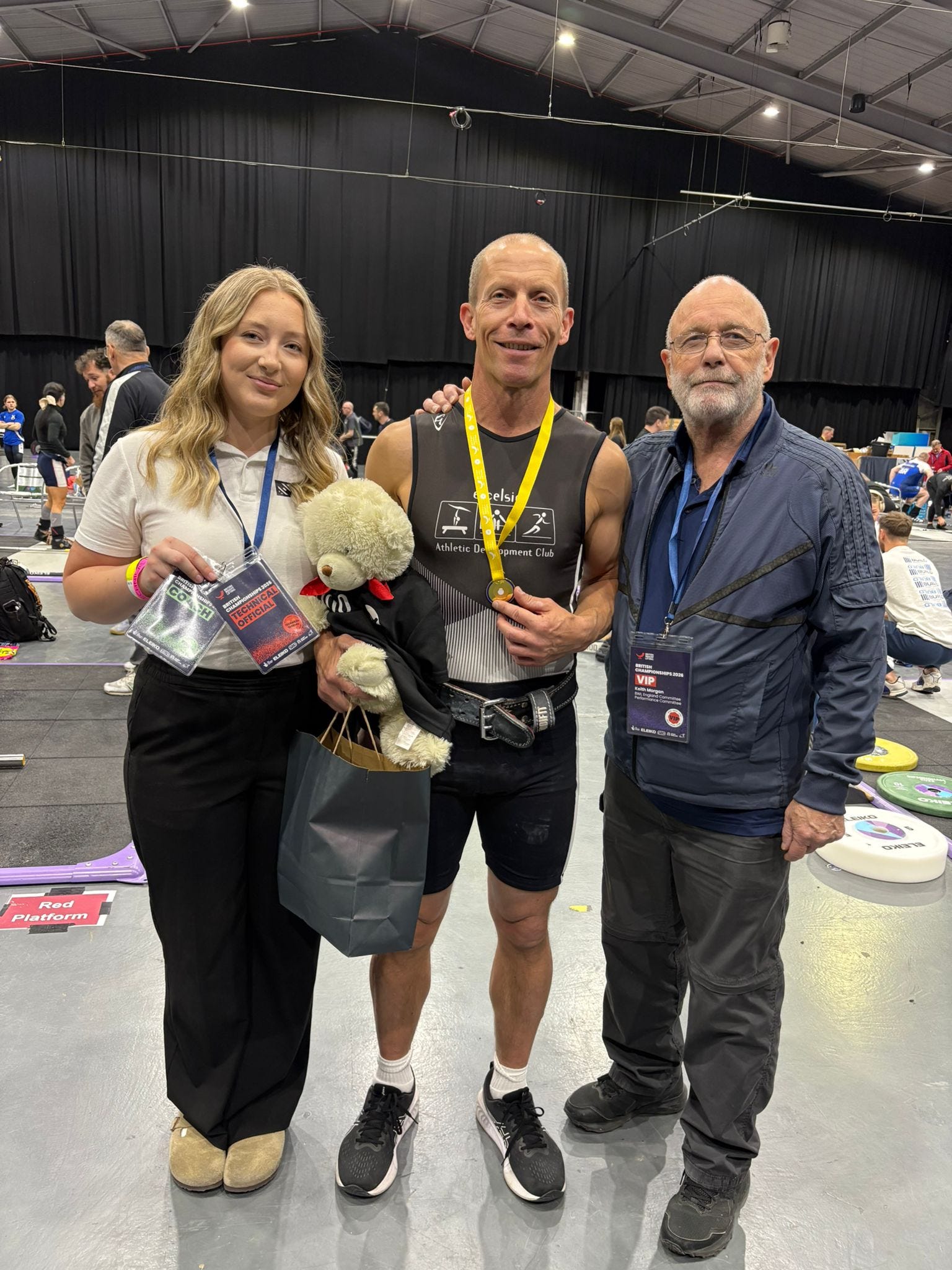
Daisy, me, Keith and our club mascot, Stanley Bear, after the dust has settled.
A challenge for readers (especially p.e. teachers).
Pick one for the next 12 months:
• Get coached by someone in your discipline.
• Take a course outside your usual comfort zone.
• Compete or perform in your own sport again.
Then write back and tell me which one — I’ll share the best replies in a future issue.